

What temperature is needed to kill mold in food industry facilities?
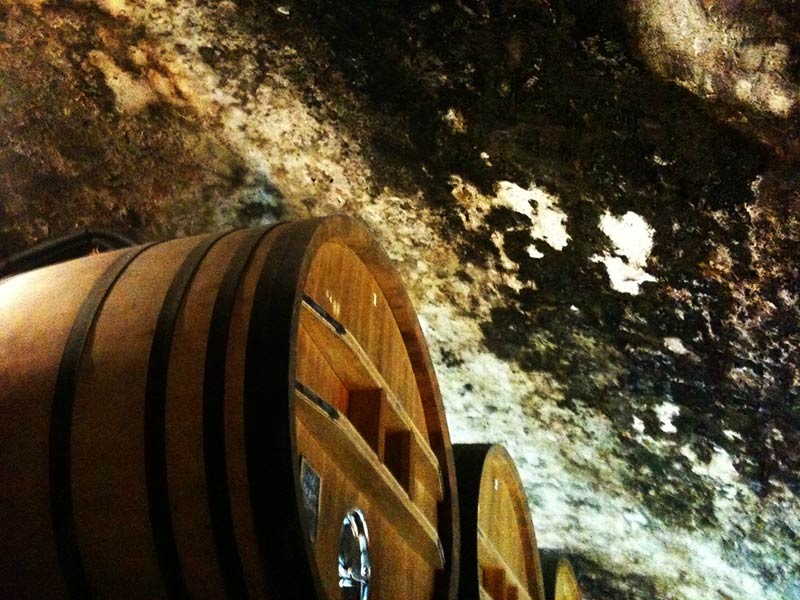
Mold can grow in all types of facilities in the food industry or in the wine industry, wherever moisture is present. Temperature and mold are, of course, closely linked, and this problem is all the more difficult to solve in the food industry, where frequent activity and cleaning lead to high humidity levels and make temperature control challenging.
However, mold growth can have disastrous consequences for production: unpleasant odors, cork taint in wines, spoilage, and aesthetic or pathogenic contamination of products…
Recognizing this major challenge, Photoclean supports professionals by offering them a customized decontamination solution tailored to the specific requirements of their business.
In this article, we answer some of your questions, such as what temperature kills mold and, most importantly, how to prevent contamination without disrupting your business.
At what temperature does mold grow?
The optimal temperature for mold growth ranges from 5 to 25°C. The less the temperature fluctuates, the more likely mold is to grow, which explains why contamination is common in the food industry, since the production or storage of many products requires a stable temperature.
Lowering the temperature is not always possible, both due to operational constraints and for the comfort of employees; moreover, it is very costly.
What are some other factors that contribute to mold growth?
Temperature isn’t the only factor responsible for mold growth. Other factors often come into play:
- the amount of oxygen (higher in occupied spaces)
- an environment or “substrate” present on site, whose spores can feed on to grow: sugars, fats, cellulose, dust…
- high humidity—or at least sufficient moisture
In factories and production facilities, another contributing factor is the daily cleaning of the premises with hot water (around 40°C). While this temperature can potentially eliminate certain molds, this method requires rapid drying of the premises using extraction; otherwise, moisture can spread and cause contamination.
How can you eliminate mold using Photoclean?
Since 2005, Photoclean has been providing its expertise in air treatment and disinfection to manufacturers across all sectors—particularly companies and groups in the food industry.
We have therefore developed a solution based on innovative technology that combines the disinfecting power of UV-C rays with a medium specially designed and manufactured by us, which we have integrated into air decontamination modules and enclosures.
Our line of devices has the advantage of directly targeting microorganisms and pathogens (including mold) on an ongoing basis to destroy them, rather than targeting inert particles. This is a real advantage, since you don’t need to lower the temperature to destroy mold.
In addition to eliminating mold, there is a twofold benefit: by also eliminating the contaminants that mold feeds on, our devices simultaneously reduce the proliferation and growth of biofilms.
When combined with an air treatment system to control humidity levels, the Photoclean solution offers you long-lasting protection against contamination and cross-contamination!
Would you like to learn more about our UV decontamination solution?
Our engineering department consultants are here to help!