

What is the procedure for cleaning and disinfecting food? What you need to know to prevent contamination risks
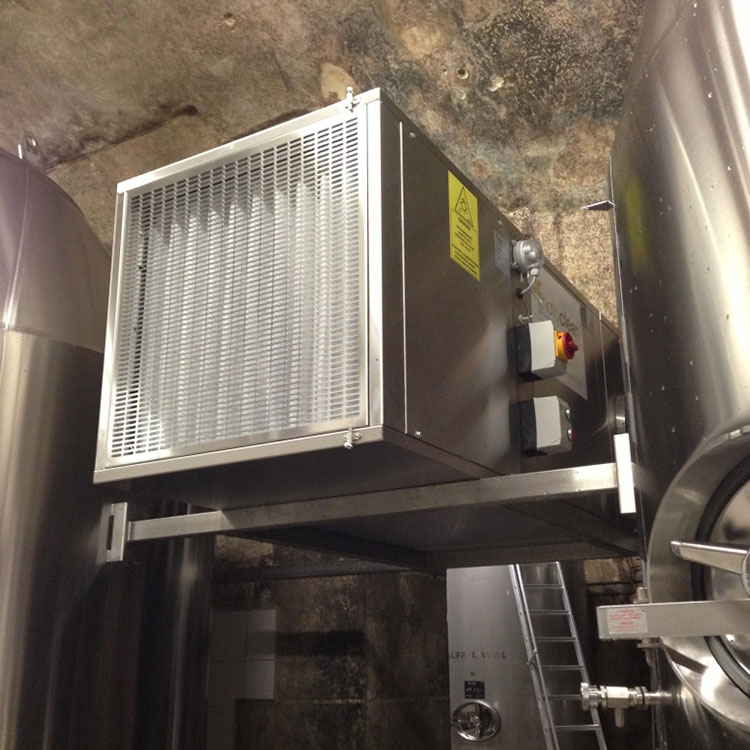
The food industry is exposed to numerous sources of contamination, which pose a risk to consumer safety. What contaminants and microorganisms are present in this type of environment? What is the procedure for cleaning and disinfecting food-contact surfaces? Why is ambient air a major—and all too often underestimated—vector of transmission? Find all the answers with Photoclean, an expert in air treatment for the food industry.
Why is disinfection a key issue for the food industry?
Managing the risks of food contamination is a real challenge for the sector. Effective cleaning and disinfection ensure:
- food safety for consumers;
- regulatory compliance of facilities, processes, and products;
- production continuity.
Decontaminating surfaces and the air in the food industry is also an economic issue. Reducing health risks prevents product returns and the resulting financial losses. It also helps preserve brand reputation.
What contaminants are found in food industry environments?
Industry professionals face many different types of contamination from a variety of sources:
- particles and dust;
- undesirable or pathogenic microorganisms (molds, bacteria, spores, yeasts, etc.);
- allergens;
- raw material residues, etc.
Controlling contaminants in the food industry requires taking all vectors into account. This includes surfaces, containers, personnel, raw materials, and, of course, the ambient air.
Finally, effective disinfection requires consideration of the specific characteristics of the operation. Even when surfaces are clean, contamination can occur through the aerosolization of contaminants, hence the importance of microbiological and particulate air disinfection.
How should food industry facilities be cleaned and disinfected?
Decontamination in the food industry primarily involves five techniques:
- surface cleaning and disinfection;
- hygiene protocols for staff and work attire;
- misting (dispersing disinfectant in the form of microdroplets in an enclosed space);
- fumigation (dispersion of a sanitizing agent in the form of gas or smoke);
- air handling units.
However, these systems have their limitations in the food industry. Indeed, constant humidity, extreme temperatures, and high particle loads hinder the effectiveness of these methods.
The conclusion is as follows:
- Surface disinfection alone is insufficient to control health risks.
- Traditional air decontamination solutions are unsuitable for air treatment in this sector.
What solution does Photoclean offer for air treatment in the food industry?
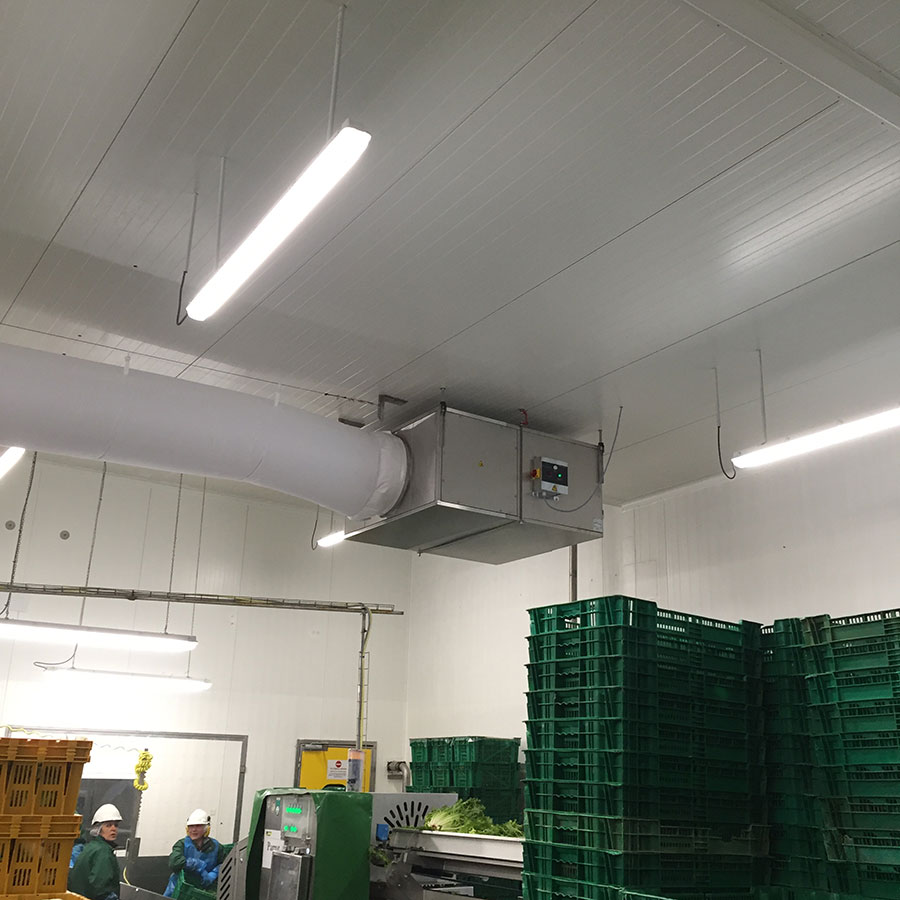
For over 20 years, the company has been developing specialized decontamination modules for the food and pharmaceutical industries. Our solutions ensure air quality and reduce airborne contaminants.
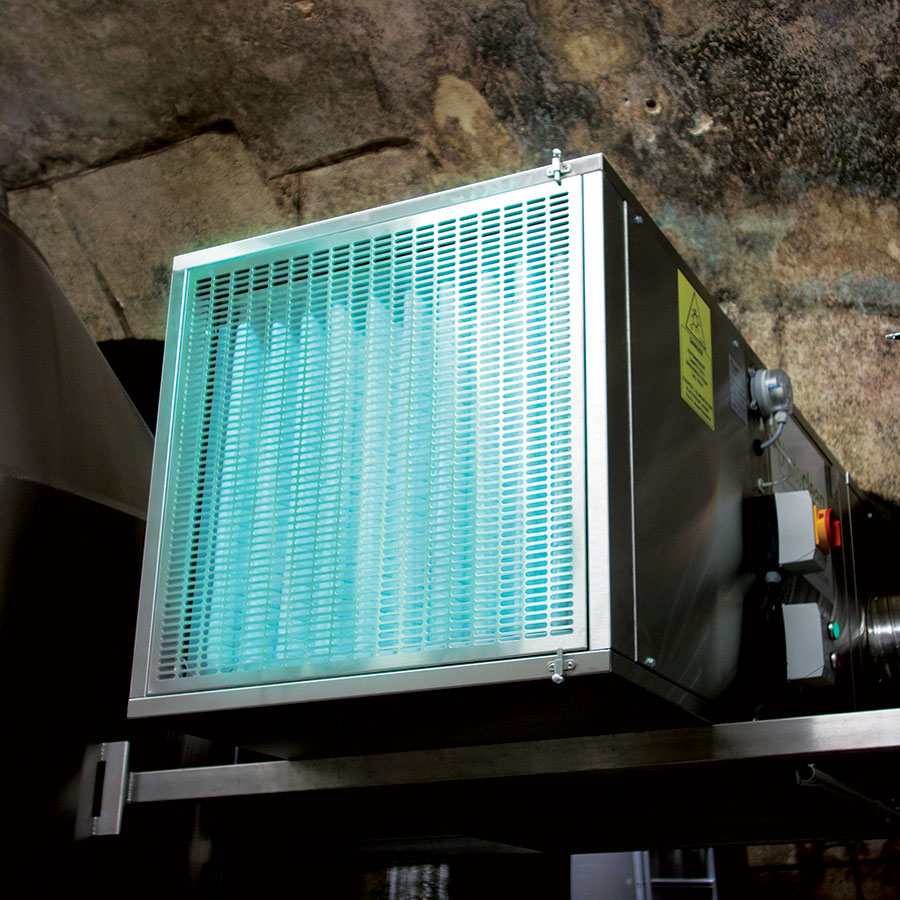
The effectiveness of our equipment relies on the biocidal properties of UV-C rays, combined with a filter medium that optimizes their action. The combined use of our industrial air treatment modules and existing cleaning protocols provides companies in the sector with an effective solution to their needs.
Food industry professionals thus gain better control over health risks and achieve sustainable prevention. Our equipment also ensures cost-effective operation and minimal maintenance.