Microbiological and chemical contaminants can directly impact the food industry: premature ripening of fruits and vegetables, spoilage, and even health risks in the case of Salmonella, Listeria, or E. coli… All of these problems can lead to financial losses and pose a health risk.
For this reason, continuous air decontamination is essential. With Photoclean, it’s easy to treat your entire facility (including very large industrial spaces) while minimizing pressure drop—and thus operating costs—as well as the size of the system.
We serve the food industry , particularly in the following sectors:
The increasing insulation and airtightness of facilities in the food industry have greatly contributed to the development of areas prone to condensation, which create an environment conducive to mold growth.
Food products are, by definition, “high-risk” products. Two types of contaminants are found in this sector:
Microbiological spoilage contaminants that cause changes in the product’s taste, color, texture, or odor.
Pathogenic microbiological contaminants (Listeria monocytogenes, Salmonella, Staphylococcus aureus, Clostridium, etc.) cause numerous cases of foodborne illness each year, ranging in severity.
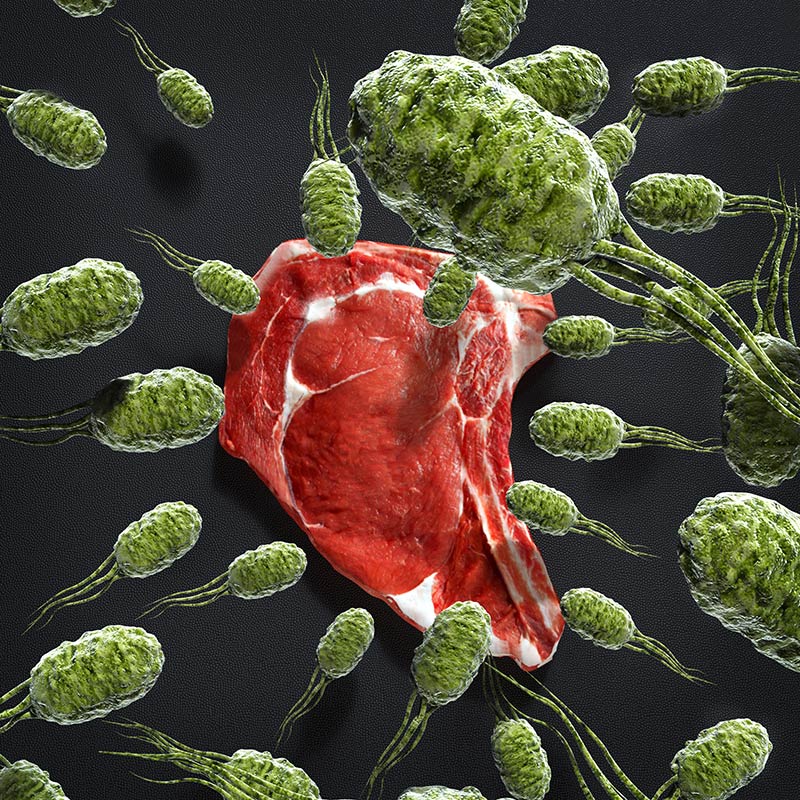
Meat Contaminated with Listeria monocytogenes Bacteria
These two types of contaminants can have serious economic consequences for companies and their executives (customer complaints, product recalls, damage to reputation and, consequently, loss of market share, etc.)—and even legal consequences in the case of pathogenic contaminants.
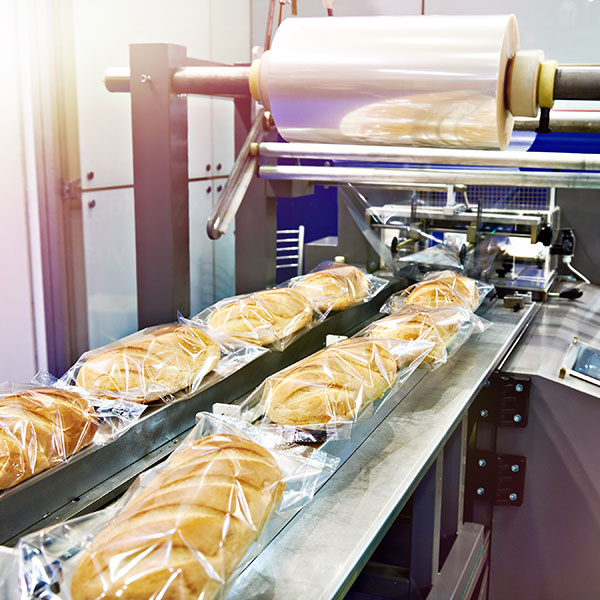
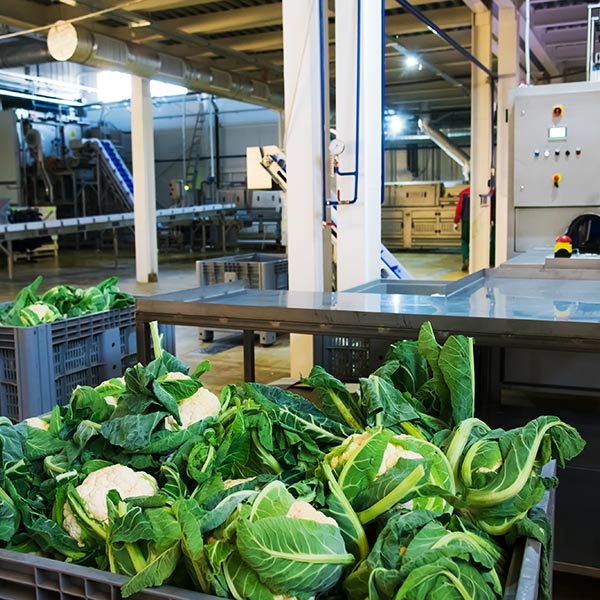
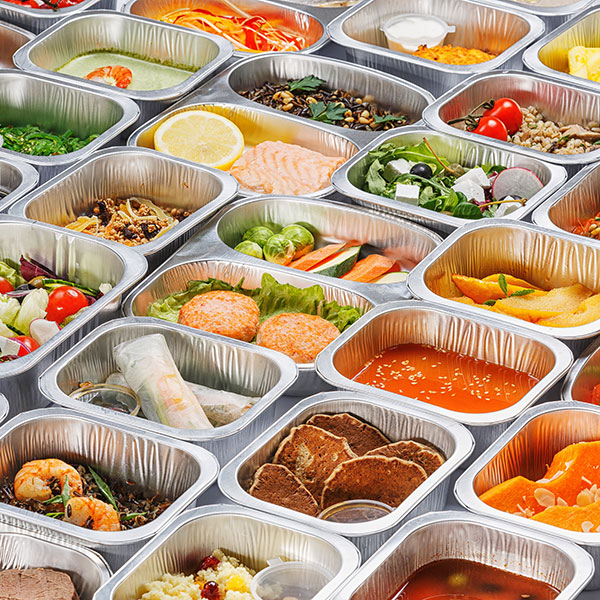
However, in sectors as diverse as meat products, seafood, industrial pastries and baked goods, fruit and vegetable storage and processing, prepared meals…
There are many issues, and they are difficult to resolve:
The product (raw material, finished product, or semi-finished product) may itself be the contaminant
Some products are inoculated with microorganisms so that they can grow “inside” the product, but must not be contaminated by other microorganisms
Sometimes, they are cooked or flash-frozen, which acts as a form of “biodecontamination”; the next step is to protect the product from any recontamination by the local or outside air until it is packaged.
Relative humidity, which promotes microbial growth, is very high and difficult to reduce because ambient temperatures are kept at a very low level (typically between 3 and 8°C).
Finally, daily cleaning of the premises with hot water (around 40°C) requires rapid drying of the premises using an exhaust system, without allowing stale air from outside to enter.
Our Solutions
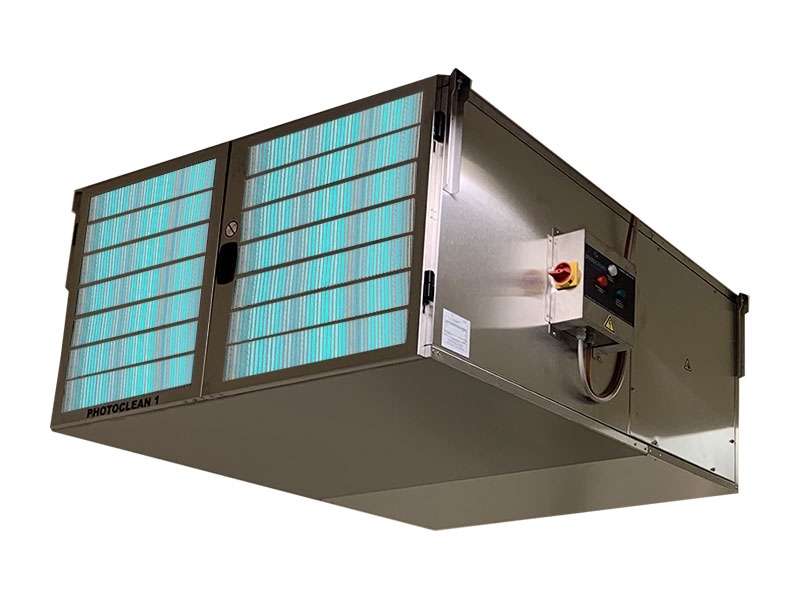
For many years now, Photoclean Quartz has been developing a comprehensive line of units incorporating all of our photolysis-based air decontamination modules, designed to:
Minimize as much as possible the amount of mold, yeast, and bacteria in the air that could grow on surfaces and products.
Eliminate any chemical contaminants in the air (VOCs, odors, etc.)
Maintain this effectiveness over time.
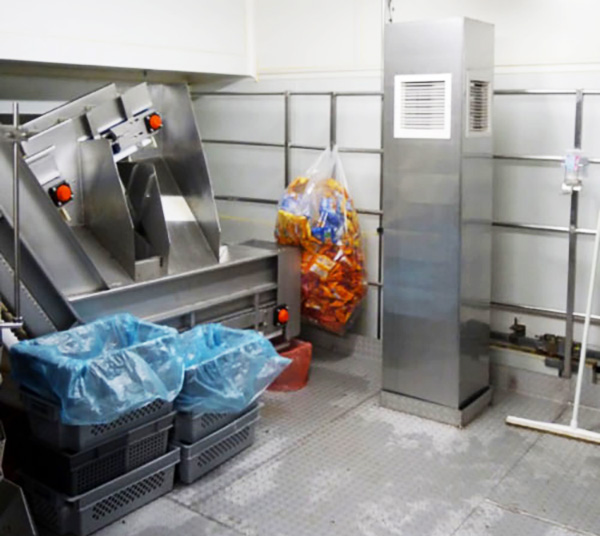
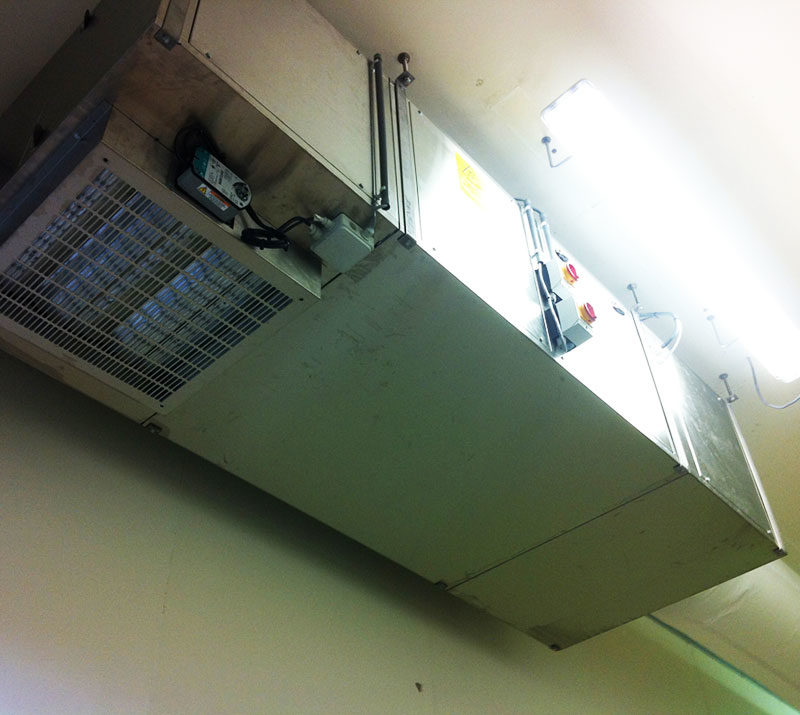
Our fully autonomous modules are installed in areas with little or no air treatment, ensuring air recirculation and treatment at a rate of 5 to 20 room air changes per hour per unit.
Our units represent the perfect combination of the performance and reliability of an air handling unit and the simplicity of a standalone module.
Our photolysis-based degradation processes offer the unique advantage of continuously destroying microbiological and chemical contaminants as well as odors.
Fixed, Standalone Module
Our modules continuously destroy contaminants in three phases:
Sterilization
The very short wavelengths (254 nm) of UVC germicidal lamps penetrate deep into the DNA of microorganisms, preventing them from replicating.
Adsorption
All organic contaminants (microbiological or chemical) are adsorbed by our media, which retains them until they are completely destroyed (mineralized).
Generation of Oxidizing Radicals
Generation of extremely powerful oxidizing radicals (OH°) through the combined action of UVC light and a catalyst capable of continuously destroying bacteria, mold, VOCs, and odors, and even breaking down the most complex chemical compounds.
In addition, our cabinets can incorporate or be combined with:
systems for extracting stale or humid air
humidification or dehumidification systems that use our air distribution duct networks
air-handling units to regulate temperature and/or humidity
To provide the best experiences, we use technologies like cookies to store and/or access device information. Consenting to these technologies will allow us to process data such as browsing behavior on this site. Not consenting or withdrawing consent may adversely affect certain features and functions.
Functional
Always active
To enable the basic features of the site.
Preferences
The technical storage or access is necessary for the legitimate purpose of storing preferences that are not requested by the subscriber or user.
Performance and audience measurement
The technical storage or access that is used exclusively for statistical purposes.To compile visit and browsing statistics on our site in order to improve its performance.
Marketing
The technical storage or access is required to create user profiles to send advertising, or to track the user on a website or across several websites for similar marketing purposes.