Your Challenges
VOCs (Volatile Organic Compounds) responsible for cork taint and earthy—musty—flavors
- A significant portion of the bottles on the French market are reportedly affected by cork taint.
- In most cases, contamination does not come directly from the cork but is carried in the air or on the wood, or even carried by other contaminated corks.
- The molecular contaminants responsible for the contamination are TCA, TeCA, or TBA.
- These VOCs are synthesized from chlorophenols through the action of mold. These chlorophenols are formed from chlorine, which can come from tree bark contaminated with insecticides, from the air, or from chlorinated products, as well as from certain paints—particularly antifungal paints—used in wine cellars.
Molds, which cause deterioration and promote the formation of chloroanisoles
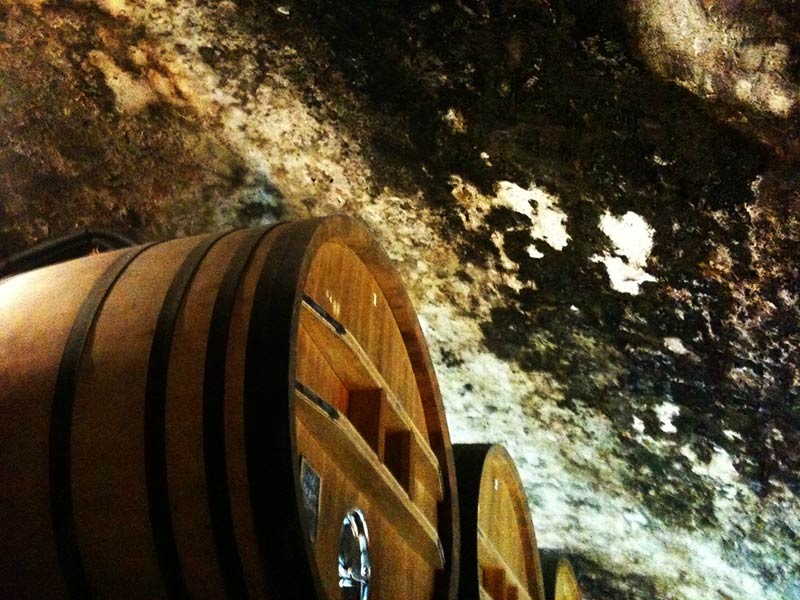
Molds are very common in the wine industry, where they find the most favorable conditions for growth:
These molds have numerous effects:
- Damages surfaces (walls, ceilings, etc.) by leaving a residue
- Damages wood (barrels, casks, wooden structures, etc.)
- Promotes the formation of chloroanisoles
- Clogs heat exchangers and air filters
- Extensive maintenance (cleaning) and excessive use of biocides
- Flow rate loss, temperature drift, and increased power consumption due to increased pressure drop
Our Solutions
For many years now, Photoclean Quartz has been developing a comprehensive line of enclosures that incorporate its photolysis-based air decontamination modules, designed to:
Our fully autonomous modules are installed in areas that have received little or no treatment, ensuring that each unit recirculates and performs air decontamination, with a capacity of 5 to 20 volumes of air from the room per hour.
Our air decontamination units represent the perfect combination of the performance and reliability of an air handling unit and the simplicity of a standalone module. Our photolysis-based degradation processes offer the unique advantage of continuously destroying microbiological and chemical contaminants as well as odors.
In addition, our units can be integrated with or combined with:
– systems for extracting stale air or CO2
– humidification or dehumidification systems using our air distribution duct networks
– air handling units to regulate temperature and/or humidity