

Sources of Food Contamination and Control Measures: The Photoclean Solution
As specialists in air treatment for the food industry, Photoclean has been working since 2005 to identify sources of food contamination and develop ways to control them. Discover how to ensure the safety of your products.
What Is a Food Contaminant?
The term “contamination” refers to the presence of a substance where it should not be. By extension, food contamination refers to substances that alter a product’s sensory properties (appearance, smell, taste). These contaminants can also render food unfit for consumption due to the risk of food poisoning.
What are the different sources of food contamination?
There are four types of food contamination:
- chemical: heavy metals, pesticides, plant protection products;
- biological: bacteria, viruses, molds, yeasts, toxins;
- physical: foreign bodies, microparticles;
- allergens (cross-contamination): gluten, eggs, tree nuts, dairy products…
What are the dangers of food contamination?
The main danger of food contamination is a public health risk. The risk of food poisoning linked to the presence of salmonella or listeria, for example, is well known to manufacturers. Protecting public health requires strict hygiene standards at every stage of food production, processing, packaging, and transportation.
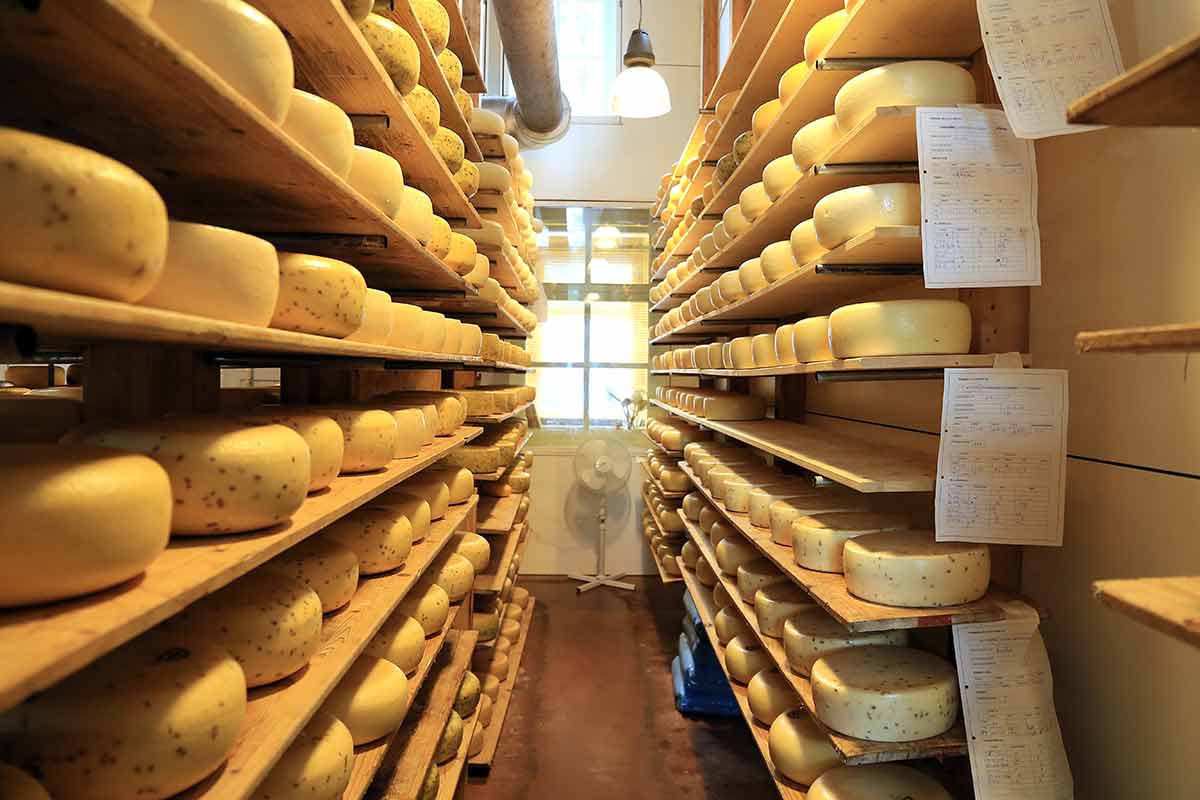
Food spoilage also causes changes in the food’s characteristics. Examples include the growth of mold on cheese, the overripening of fruits and vegetables, or cork taint in wine. These changes make it impossible to sell the contaminated food, even if there is no health risk. The economic impact of a product recall on a company can be disastrous, both financially and in terms of brand image.
How Can We Prevent Contamination in the Food Industry?
The risks and decontamination methods vary depending on the source and type of contamination. Food safety requires health monitoring of raw materials, equipment, and facilities, as well as finished products and packaging. This poses a major challenge for professionals in the industry!
Chemicals and foreign matter may already be present in the ingredients used to make prepared meals, for example. Microbial contamination, on the other hand, affects food as well as surfaces and the ambient air. It can be linked to production conditions, particularly in bakeries or produce markets.
So, how can food hazards be effectively mitigated without altering the properties of the products? The answer is simple: by purifying the air in industrial facilities. This eliminates the majority of sources of physical, chemical, and biological contamination.
Why choose the PhotoClean decontamination solution?
Since 2005, Photoclean has been developing air treatment equipment for industrial settings, particularly for professionals in the food processing and winemaking industries in France. We have developed an innovative technology for air decontamination.
The Photoclean treatment solution is based on the properties of UV-C rays, which are capable of eliminating chemical and microbiological contaminants. By combining this radiation with a media designed and patented by us, we ensure a sufficient residence time to eliminate more than 95% of the microorganisms present in the air.
Choosing air treatment via photolysis allows you to:
- Ensure continuous food chain safety, without the risk of immediate recontamination of the premises following misting or fumigation treatment;
- To have an effective, compact, and energy-efficient method of airborne decontamination;
- To simultaneously eliminate microbiological contaminants, particulate matter, VOCs (volatile organic compounds), and unpleasant odors;
- Adapt a treatment module to your air handling unit (AHU) or existing system.
Contact Photoclean to request an audit of your facilities and receive a customized quote.