

What is microbial contamination of food, and how can it be prevented?
The food industry regularly faces the spread of undesirable—and even harmful—microorganisms. Ensuring the quality and safety of production is a major challenge for the industry. What is microbial contamination of food? How can it be prevented in industrial facilities and production areas? Photoclean provides an overview and offers an effective solution to combat microbiological contamination of the air.
What is food contamination?
This term refers to the presence of undesirable substances or microorganisms in food. This contamination affects the organoleptic properties of the products and may pose a risk to consumer health.
It can occur at any stage of the production chain: contaminated raw materials, processing, transportation, storage, service…
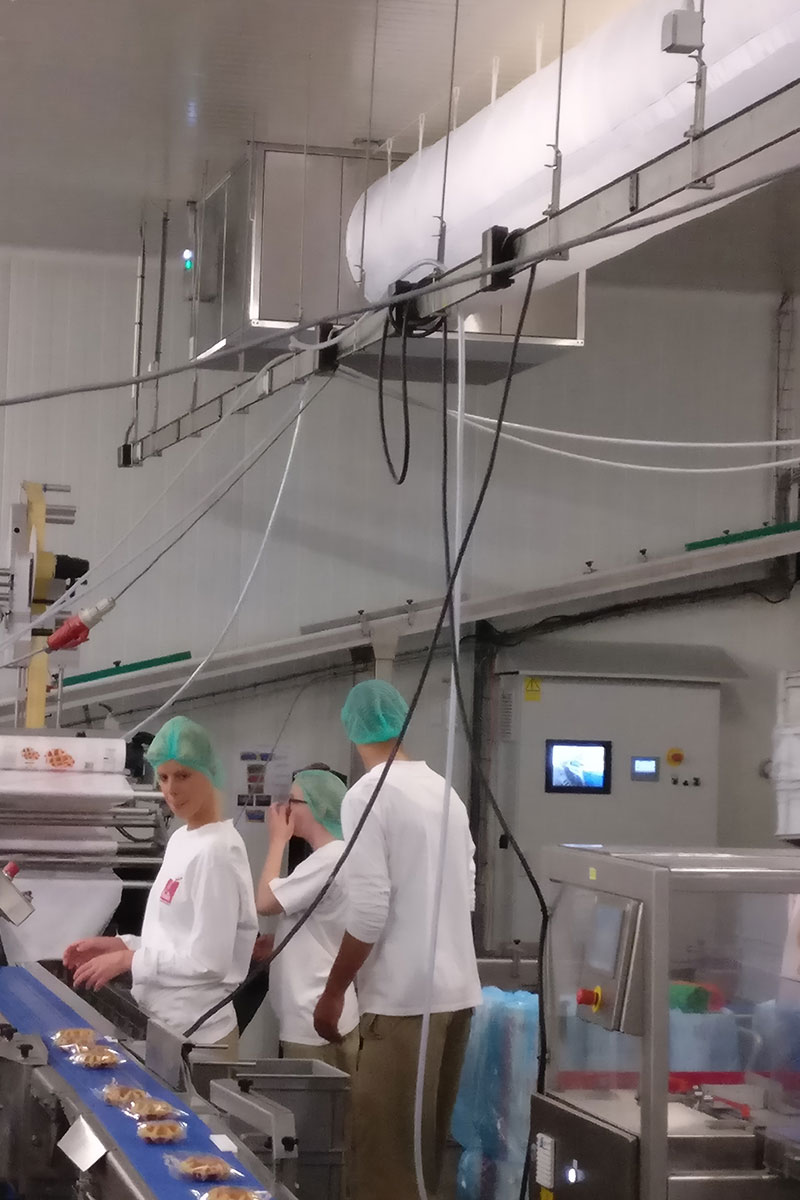
This concept also encompasses various types of contamination, which may be bacterial, viral, fungal, or chemical in origin… In addition to food products themselves, this includes equipment, utensils, and surfaces that come into contact with food, as well as the ambient air.
This wide range of factors and modes of contamination makes prevention particularly complex for companies in the food industry.
What are the different types of food contamination?
There are four types of food contaminants.
- Particles or residues present on food products or on surfaces and objects that come into contact with them: this is known as particulate contamination.
- Allergens accidentally transferred from one product to another: this is known as cross-contamination.
- Chemical substances (VOCs, materials, pesticides, etc.) that settle on food or migrate from surfaces and equipment: this is known as chemical contamination.
- Pathogenic microorganisms (bacteria, viruses, fungi, etc.) that can spoil food and pose a health risk: this is microbial contamination.
What solutions are available to prevent and treat microbial contamination?
Combating food contamination and ensuring food safety requires the implementation of preventive measures. The industry generally adopts two approaches: cleanroom design and air filtration.
The first option involves creating an environment designed to maintain a minimal level of contamination. The amount of contaminants, temperature, humidity, and even air pressure are strictly controlled within these environments.
Although widely used in the medical, pharmaceutical, electronics, and aerospace sectors, this solution is not well-suited to the food industry. Cleanrooms are very expensive to
install, consume a lot of energy, and are complex to maintain.
The second possible solution involves effective air filtration to prevent contamination. It is used in conjunction with procedures for cleaning and disinfecting surfaces and equipment, as well as staff hygiene protocols.
HEPA filters are widely used but have certain limitations and drawbacks. They capture only particles, are bulky, and are expensive to purchase and operate.
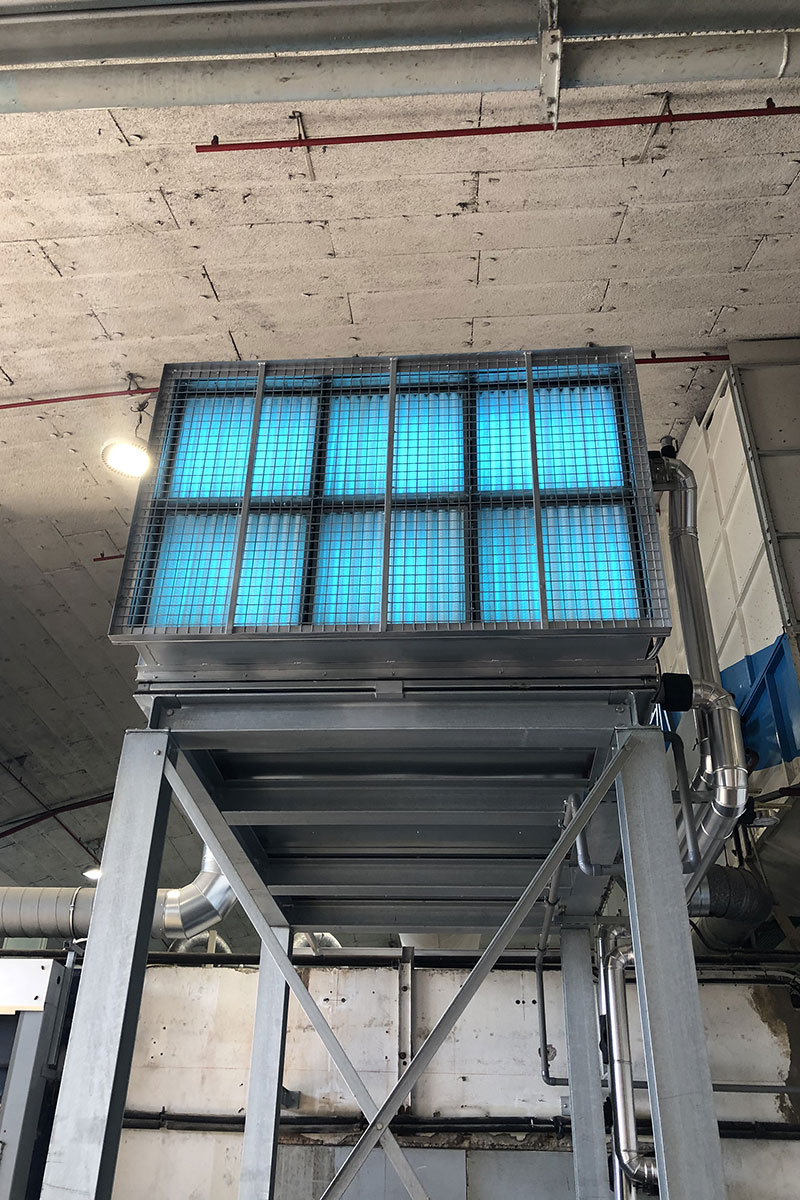
Photoclean has therefore developed a high-performance, cost-effective, and sustainable alternative to meet the needs of the food industry: air decontamination using UV light.
What are the advantages of the Photoclean decontamination solution?
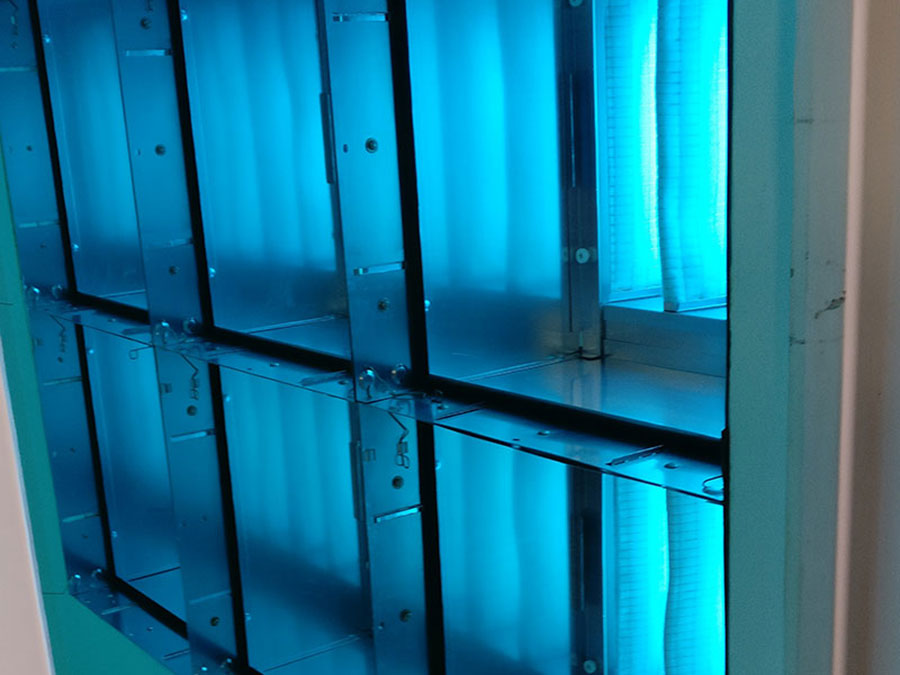
Our proposal is based on the ability of UV-C rays to alter the DNA structure of microbes, thereby destroying them. This method offers numerous advantages: no chemical residues on products, the ability to perform treatment continuously and in the presence of employees, reduced maintenance, and more…
Our air decontamination treatment modules also offer tangible benefits for manufacturers:
- the ability to separate temperature and humidity control from microbial decontamination treatment;
- reduced technical constraints thanks to lower temperature and filtration requirements;
- energy-efficient and environmentally friendly solutions;
- complete control of contamination in the food industry for enhanced safety and quality.
Discover PhotoClean’s products and services: request an audit of your food production facilities.