

What are the different sources of food contamination, and how can we protect consumers’ health?
The food safety standards imposed on food industry professionals are stringent. The reason: a high risk to consumers if pathogenic microorganisms are present. Food products can, in fact, become contaminated at any time. What are the different sources of food contamination? How can risks be prevented and a healthy production environment maintained? Photoclean explains.
What are the risks of contamination for raw materials before they arrive on site?
The risk of food contamination begins even before products enter the processing facilities. Growing or raising conditions, as well as poor hygiene during packaging or transportation, can lead to the contamination of food raw materials.
Fruits and vegetables may contain pesticide residues or microorganisms, or may have come into contact with contaminated water. Meat may contain pathogenic bacteria such as Escherichia coli or Salmonella even before it is shipped. As soon as raw materials arrive at a processing plant, they are likely to carry a large number of contaminants.
What about food contamination through contact?
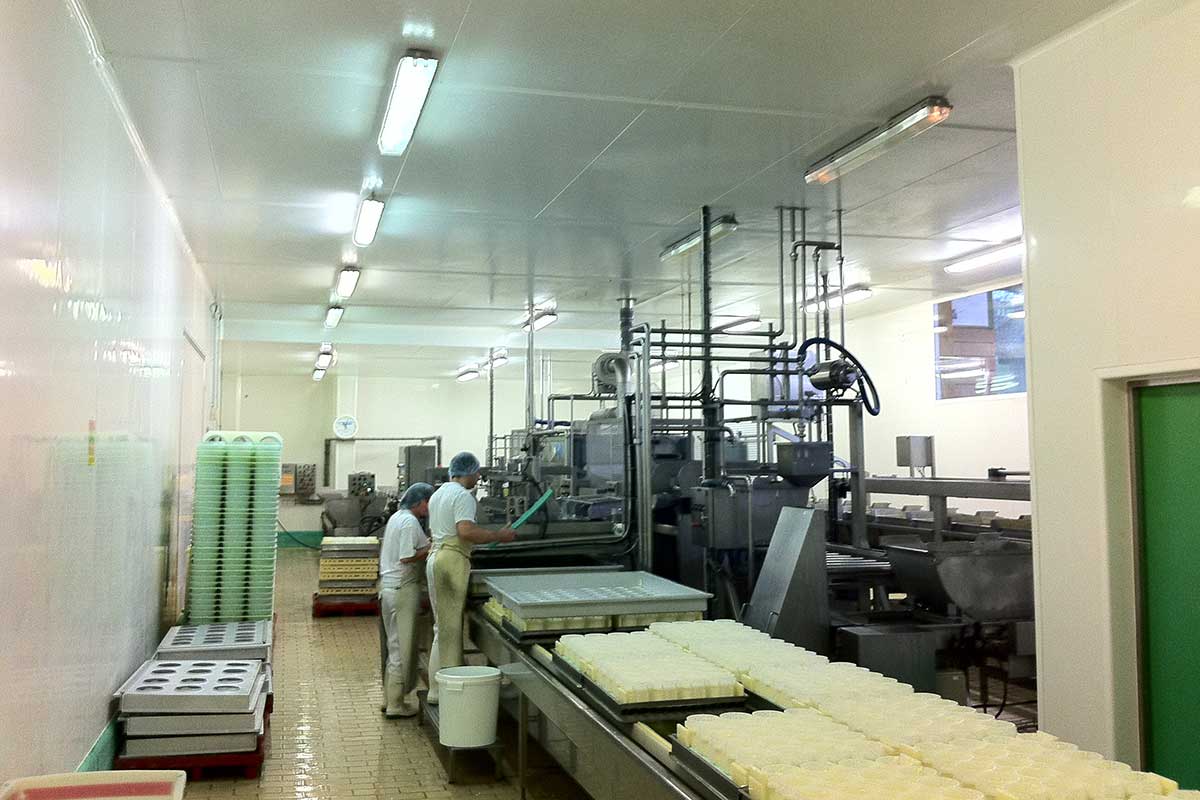
The second risk is related to handling. People who come into contact with food products are a major source of food contamination, often due to poor hygiene: inadequate handwashing, failure to wear gloves or hairnets, dirty work clothes, etc.
If hygiene and disinfection guidelines are not followed, contaminants can spread very quickly.
Surface Contamination: What Are the Risks for the Food Industry?
Walls, floors, production equipment, conveyor belts, and food preparation equipment are all potential sources of contamination. The buildup of dirt and residues, combined with inadequate cleaning or ineffective disinfection procedures, poses a risk of food contamination.
Cross-contamination is another significant risk in the food industry. A product can contaminate a surface, which then becomes a source of contamination itself. It can also transfer contaminants to another food item.
Misting and regular washing can help minimize this problem, provided they are done properly.
What is the connection between air quality and food safety?
The final source of food contaminants—though less obvious because it is invisible—plays a crucial role. It is the ambient air.
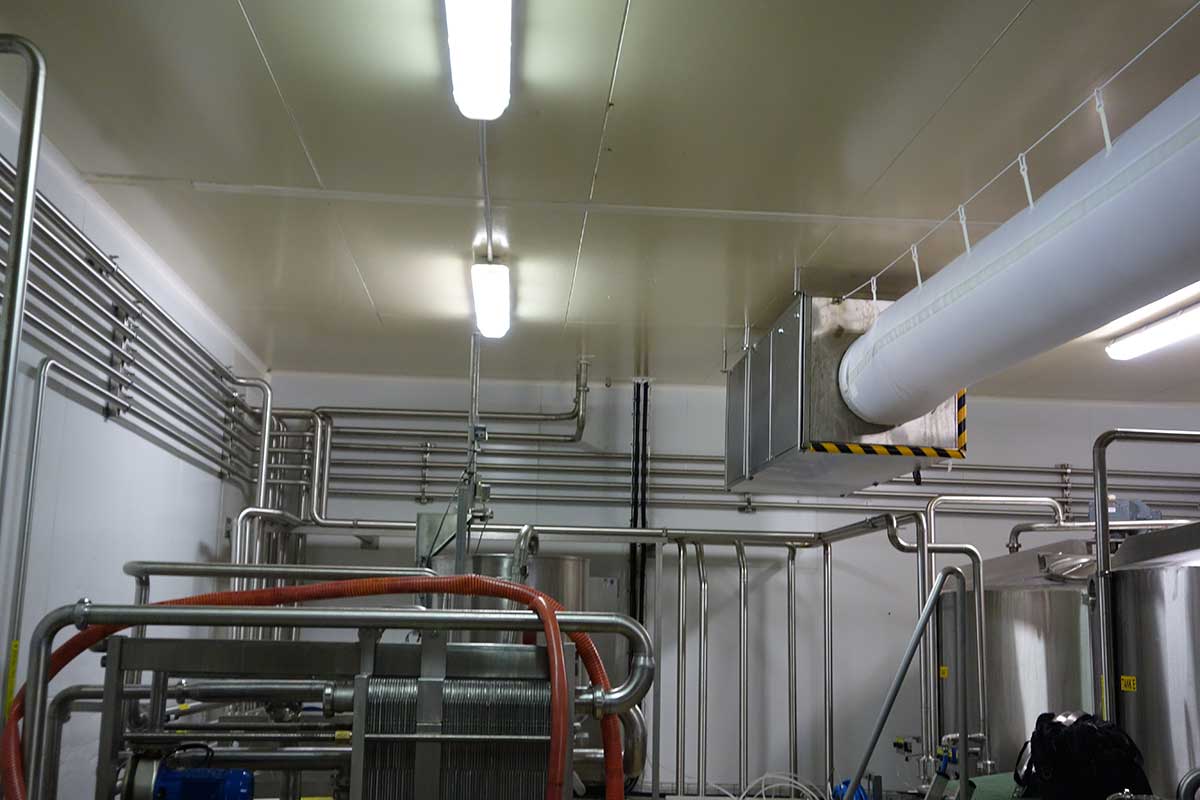
The air in food production, processing, or packaging facilities can carry particles, germs, and mold, which then settle on products or surfaces. The air may come from outside or become contaminated within the food industry plant, particularly after a hot-water cleaning operation. Excessively long or poorly managed drying times result in humidity levels conducive to microbial growth.
To ensure the safety of workers and consumers throughout the production chain, hygiene protocols are particularly strict in this industry. Air treatment in the food industry is a crucial step in preventing contamination risks.
Photoclean, a specialist in industrial air treatment solutions, has developed an innovative and effective technology. Thanks to UV-C rays, combined with a medium that enhances their effectiveness, professionals in the food industry now have a high-performance, cost-effective solution to ensure a constant supply of air free of any contaminants.